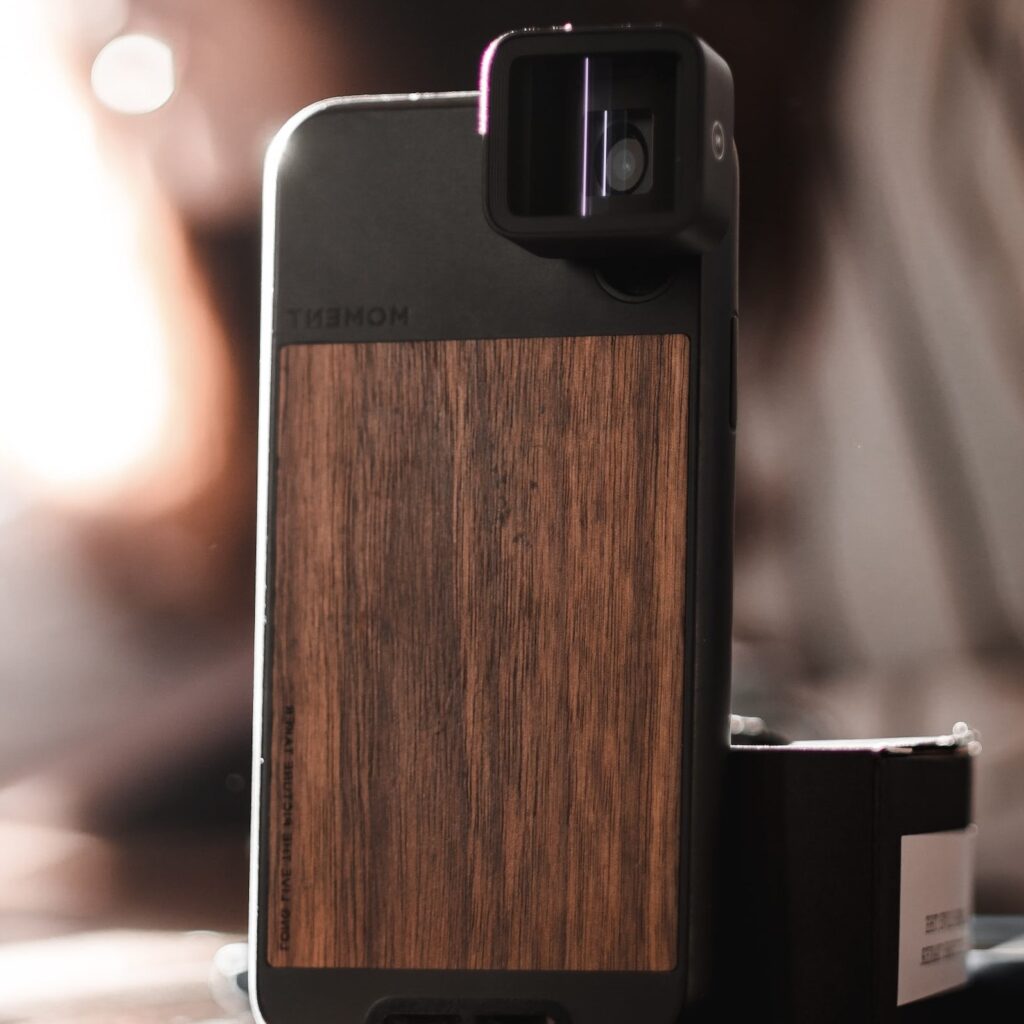
Phone cases not only provide protection but also add style and personalization to our smartphones. With a wide range of options available in the market, it’s important to understand the different materials used in phone cases. This article aims to provide an overview of the various materials used in phone cases and their characteristics:
Plastic Cases: Plastic is one of the most common materials used in phone cases due to its affordability and versatility. It is lightweight and offers basic protection against scratches and minor impacts. However, it may not provide as much shock absorption as other materials. Plastic cases are available in various finishes, such as glossy, matte, or transparent.
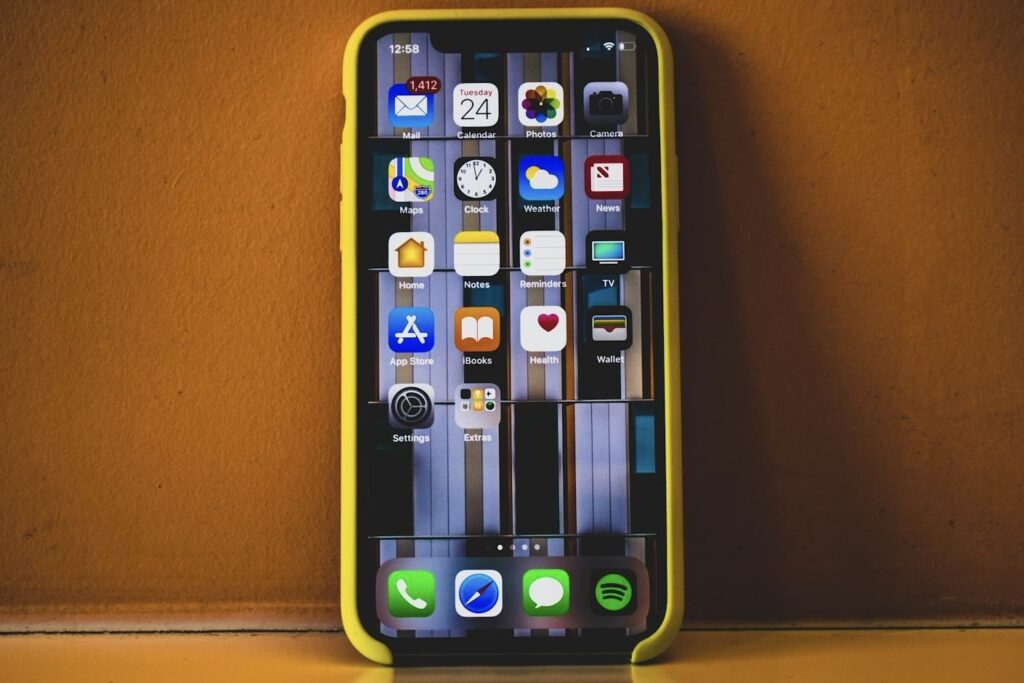
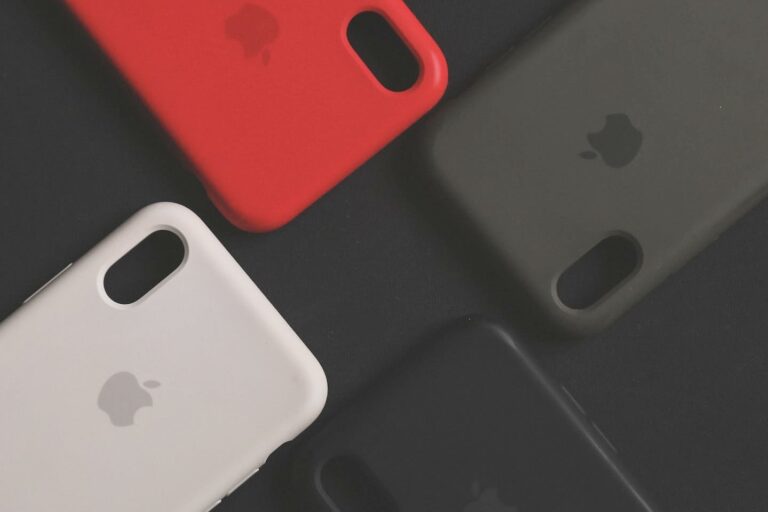
Silicone Cases: Silicone cases are known for their flexibility and durability. They are soft, smooth, and provide excellent grip, making them ideal for preventing accidental slips. Silicone cases offer good shock absorption and protect against scratches. They are available in a wide range of colors and designs.
TPU Cases: Thermoplastic polyurethane (TPU) cases combine the best qualities of plastic and silicone cases. They offer good shock absorption, flexibility, and durability. TPU cases are resistant to oil, grease, and abrasion. They come in different textures and offer a comfortable grip.
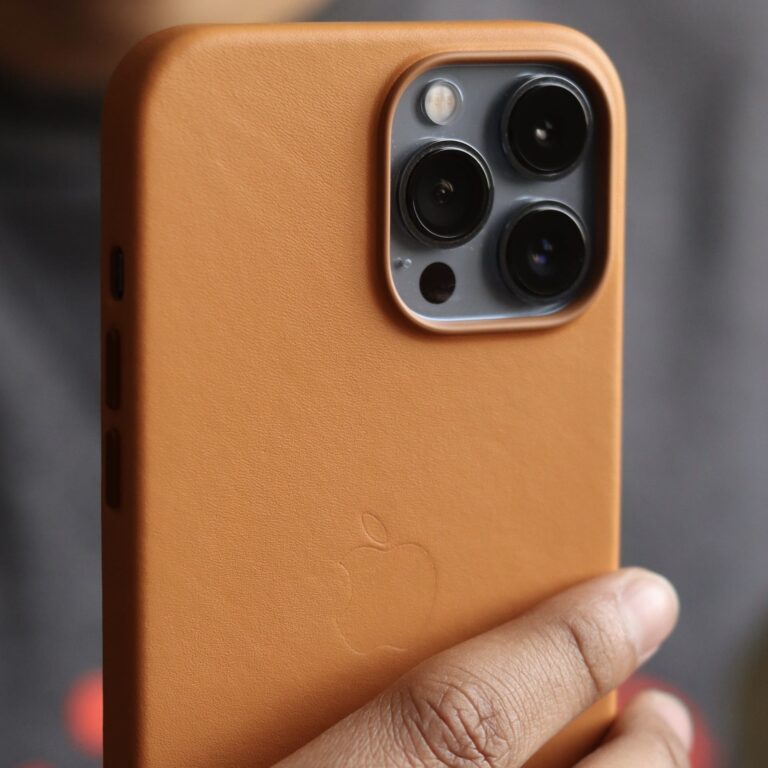
Leather Cases: Leather cases provide a premium and sophisticated look to your phone. They are known for their durability and offer good protection against scratches and minor impacts. Leather cases come in various types, including genuine leather, synthetic leather, and vegan leather. They require regular maintenance to preserve their quality.
Metal Cases: Metal cases, usually made of aluminum or stainless steel, offer excellent protection against drops and impacts. They provide a sleek and stylish look to your phone. However, metal cases can add significant weight and bulk to the device. They may also interfere with wireless charging.
Hybrid Cases: Hybrid cases combine different materials, such as plastic, silicone, and TPU, to provide enhanced protection. These cases often have a combination of a hard outer shell and a soft inner layer for shock absorption. Hybrid cases offer a balance between protection and style.
Choosing the right phone case material depends on personal preferences and the level of protection required. Plastic and silicone cases are popular choices for their affordability and versatility. TPU cases offer a good balance of flexibility and durability. Leather cases provide a premium look, while metal cases offer excellent protection. Hybrid cases are suitable for those seeking enhanced protection. Consider the material’s characteristics, style, and compatibility with wireless charging when selecting a phone case.
By understanding the different materials available, you can make an informed decision and find a phone case that suits your needs and preferences.